The rise of Generation Z as a significant socio-political force in Nepal marked an unprecedented moment in the country’s political history. Born roughly between 1997 and 2012, Nepal’s Gen Z came into the spotlight during the September 2025 anti-government protests, mobilizing against corruption, nepotism, and restrictive policies like the ban on social media — a movement that ultimately contributed to the resignation of Prime Minister K.P. Sharma Oli and the dissolution of parliament.
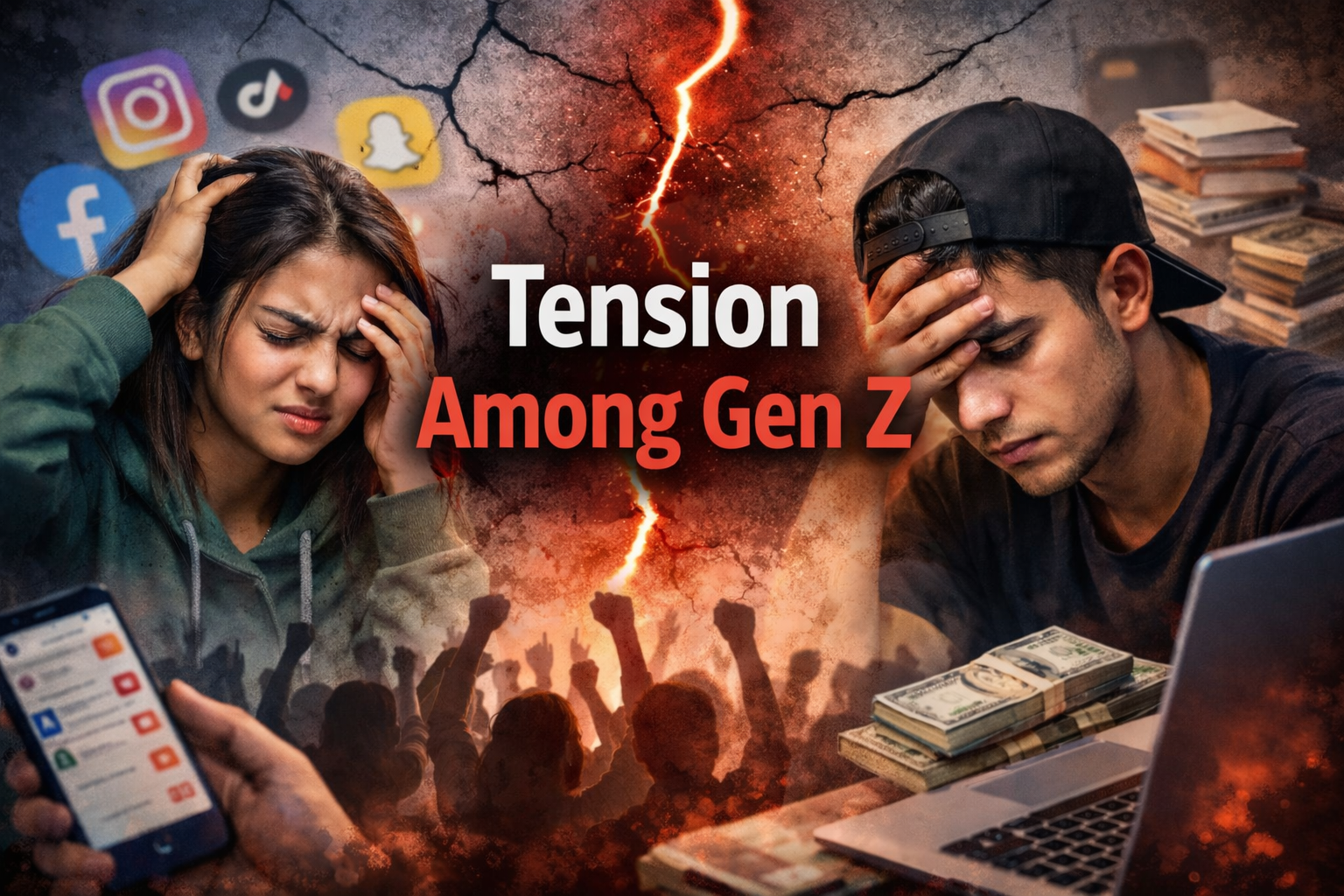
But in the months since that upheaval, the very divisions within the Gen Z movement have emerged as one of the biggest obstacles to consolidating their influence and translating street energy into sustainable political outcomes.
The Fragmented Landscape of Gen Z Groups
Unlike a singular, unified movement with one leader and clear objectives, Nepal’s Gen Z activism splintered almost immediately into multiple groups and networks — each with its own leadership, priorities, and political outlook.
1. Leadership Factions and Competing Claims
Some prominent figures have risen to prominence, each heading distinct factions and pushing diverging agendas:
- Sudan Gurung — founder of Hami Nepal and a central figure who led negotiations with state institutions after the 2025 protests. He briefly helped shape the transitional government before calling for further changes, including leadership resignations when his demands weren’t fully met.
- Miraj Dhungana — another activist who turned his protest momentum into plans for a political party with broader reformist goals, prioritizing systemic constitutional changes before endorsing formal elections.
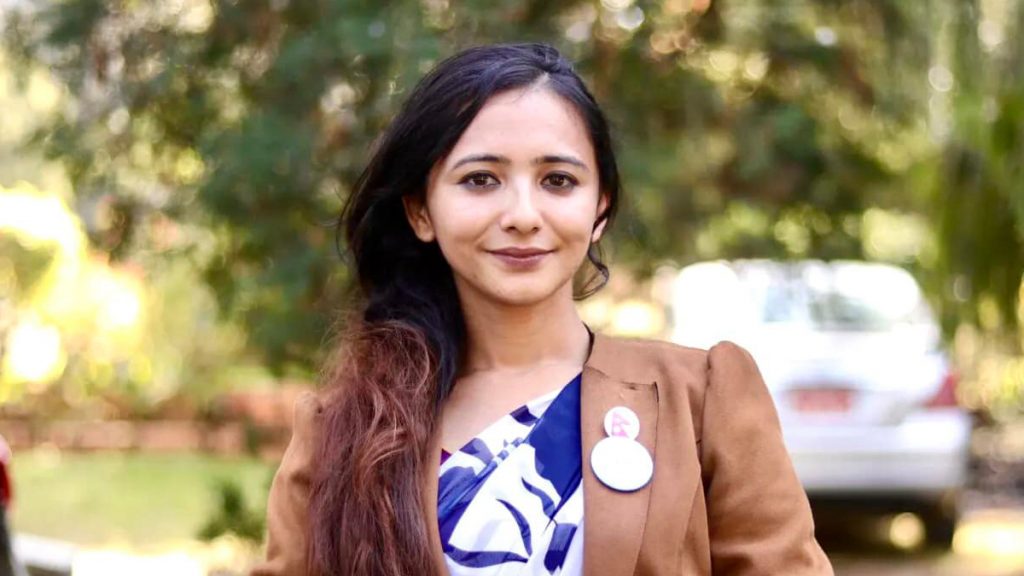
- Other vocal Gen Z leaders, including representatives like Monika Niraula and Bhawana Raut, have taken either pro-election or alternative reform-focused stances, often publicly conflicting with peers, further muddying the narrative of a cohesive movement.
This multiplicity of voices has made it difficult for the interim government and senior political actors to engage productively with “Gen Z” as a unified bloc. In one incident, rival groups even protested against one another outside official talks, underscoring how leadership disputes have eclipsed collective strategy.
Core Points of Conflict Between Gen Z Factions
1. Strategic Disagreements: Elections vs. Structural Reform
One of the most visible rifts has been over the approach to Nepal’s scheduled elections:
- Some groups, like sections led by Monika Niraula, argue that participating in elections on schedule is the most effective path forward.
- Others — including factions around Gurung and Dhungana — have strongly opposed immediate elections, arguing that fundamental changes (such as constitutional amendments, anti-corruption frameworks, or even reinstatement of the dissolved House of Representatives) must precede electoral contests.
These conflicting views have made it harder for Gen Z factions to present cohesive demands to the interim government led by Sushila Karki and to influence the national political agenda in a structured way.
2. Representation and Legitimacy
As different groups claim to speak for Gen Z, questions of who genuinely represents the generation’s voice have become contentious:
- Certain activists and factions have rejected the legitimacy of others, alleging they are “foreign agents,” “opportunists,” or pandering to traditional political interests rather than grassroots demands.
- Provincial coordinators of larger networks have even accused central leaders of excluding them from crucial negotiations, sparking internal recriminations and weakening organizational coherence.
This fragmentation has contributed to an image of Gen Z activism that is disorganized and rife with internal hierarchy conflicts — undermining confidence in their leadership among both supporters and the broader public.
3. Varied Agendas and Identity Politics
Beyond leaders and electoral strategy, Gen Z groups themselves represent a wide range of socio-political priorities:
- Some are urban, digitally native networks mobilized largely online.
- Others are community-based or regionally anchored organizations representing specific local concerns (from Parsa to Jhapa, Damak to Siraha).
This diversity reflects the broader stratification within Nepal’s youth — but it has also made unified action difficult. Critics argue that without a shared agenda, the term “Gen Z” becomes a brand rather than a political identity, open to misuse by old parties or opportunistic figures.
Why the Divisions Matter
1. Weakened Political Influence
Analysts argue that while Gen Z’s protest energy was undeniable, its lack of clear leadership and shared vision means that its political leverage is diluted in formal politics. Without unity, Gen Z is less able to negotiate cohesively with established parties or drive specific policy outcomes.
2. Vulnerability to Co-optation
The movement’s fragmentation has also opened space for older political forces — mainstream parties, internal party factions, or even external actors — to align with select Gen Z leaders for their own ends. This risks hijacking the momentum for traditional political agendas rather than authentic youth-led reform.
Conclusion: A Generation at Crossroads
Nepal’s Gen Z burst onto the national stage with historic impact — toppling a government and demanding accountability in new, digitally interconnected ways. Yet the internal divisions that followed show the challenges any youthful, decentralized movement faces when transitioning from protest to political influence.
For Generation Z in Nepal to shape the country’s future meaningfully, many observers argue that clear organizational structures, unified platforms, and strategic coherence will be essential. Otherwise, the promise of youthful energy risks becoming another chapter of cyclic fragmentation in Nepali politics.

Socioligist, Communication Expert, Certified Mediator, Certified Community Legal Document Assistant, Coach, Writer, Translator cum Interpreter, YouTuber, Master Teacher of some biblical training, Content Creator.
Contact for above services and consultation:
thomasbogaty@gmail.com
Watsapp: +977-9813249433
CHARGES AS PER THE SERVICE