First is the nation and nationalism. In Nepali comprehensive dictionary, nation means any country or country with people, government and sovereignty. Nationalism is an ideology that emphasizes loyalty, devotion, or loyalty to the nation or nation-state. Every citizen should be proud of the nation and nationality. The role of leaders with a nationalist stance is important to create a good national identity. BP said – ‘Nation is not only geography, but also people.’
The slogans of nationalism have changed. At one time there were slogans like ‘Our king is dearer than our country, our life, our language is dearer than our clothes, our life’. But now those slogans have disappeared.
Nepal has changed from a unitary state to a federal state, from a constitutional monarchy to a republican state, and from a monarchical Hindu state to a secular state. There has been a political change and the context of nationalism has also changed. Parties have different views on nationalism, but regardless of their political ideology, everyone should have a stance towards nationalism. Some people are talking a lot about nationalism by linking it with progress and some with backwardness.
In the preamble of the Constitution of Nepal, 2072, it is defined that all the Nepali people who are multi-racial, multilingual, multi-religious, multi-cultural, have the same aspirations in geographical diversity, and believe in the national independence, geographical integrity, national interest and prosperity of Nepal and adhere to the formula of unity are the nation as a whole.
The real picture of Nepali society is reflected in the constitution. Nationalism is love for the nation or patriotism. Nepalese people want independence, but the spontaneous awareness and awakening of the nation and nationalism is due to the sense of national interest. Nationality is associated with the nation. Dr. According to Tikaram Pokharel, “Sometimes when things such as geographic integrity, sovereignty, borders, military power, etc. are connected with nationalism, nationalism spreads beyond the borders. There is strong opposition from other countries. It crosses the border and nationalism gradually turns into anti-nationalism and even reaches ultra-nationalism. It takes a violent form. Extremist nationalism sometimes gives rise to casteism or racism and sometimes it also leads to conflict, which is a very dangerous conflict.
The current desire of Nepali people and nation is peace, prosperity and national unity. Nationalism is a feeling of love and unity among the people living in their country geographically, culturally and socially. For national unity, all kinds of differences must end. Blind nationalism divides the people. Andhrashatraism favors autocracy. Those who do politics of religion or extremism are disturbing the society.
There are many examples of people trying to rule by combining nation and religion. In European history, there was a long series of conflicts between religion and the state. It cannot be denied that dissatisfaction is increasing due to religious differences in the unitary state system in our country. The issue of multi-caste nationalism was raised during the People’s War and later, after the political change, identity and participation were emphasized. Roshan Janakpuri writes, “In the context of Nepal, monarchy, Sanatan Hinduism, a long tradition of feudalism, the Gorkha royal ruling class, the language close to them (the old Khas language, which is now modified) established as Khas language), Bhesabhusha, the collection of stories of bravery and heroism when Gorkhali conquered the state is the basis of today’s Nepali nationalism. “
But with the political changes of the country, the reality of a multi-religious, multilingual and multi-caste society was accepted and a secular state was declared. Secularism emphasized that national unity would be strengthened by maintaining religious coexistence and harmony. But efforts are also being made to misinterpret secularism and spread rumors of false nationalism. It is also found that those who talk about nationalism in order to be in leadership raise the issue of religion and caste. According to Karn Bahadur Thapa, “Nationalism seems to be used as a slogan to insult other countries, rather than as an expression of deep love for the nation.”
Attempts are also being made to lag behind by misinterpreting the issue of secularism. There is a suspicion that they are trying to reverse the achievements of the people’s long struggle. According to Sandesh Dhakal, “secularism is not bad, but here it has been misinterpreted to make politics.” Its special meaning is that the state’s policy of respecting all religions and not discriminating against any religionist is called secularism. Secularism is not opposition to religion, but the country is free from religion. It means that the country does not have any religion, but the people of the country are completely free to follow their religion and culture.
When the constitution was being made, it was said to be secular. But since eternity etc. is mentioned. What was the objection to mention only religious freedom? How religious sects established in different eras can be justly included in Sanatan! It is said that the God of eternity. As far as religions are concerned, all religious beliefs that have existed for thousands of years and are still practiced by the people should be accepted.
In most areas of the world, examples of large-scale civil wars can be found in the name of religion. But despite being multi-religious, multi-lingual and multi-racial, Nepal has lived in tolerance and harmony. According to Puranjan Acharya, “Nepali people have been living together among different castes, cultures and languages for hundreds of years, they want to live together. Therefore, the thing that Nepalis are proud of is that we can be united even in diversity.”
A state cannot be civilized and prosperous in the absence of national unity. We can maintain a balanced relationship with everyone on the basis of nationality. Minority religious communities should also be included in the definition of the nation. It seems contrary to the spirit of the preamble of the constitution to say that only a single religion, culture or caste, language is protecting the nation and nationality. Dr. According to Lakshmi Prasad Khatiwada, “Nationalism is the feeling of a group of minds, experiences or personalities where the common aspirations of people living in a certain geographical area are expressed.”
Nationalism unites but chauvinism divides the society. According to Chandradev Bhatt, “In recent years, the politics of identity based on nation, nationality, religion and culture has been established all over the world. This is creating a big gap between the minority and the majority (language, religion, region, gender). This disease is slowly spreading in Nepal.”
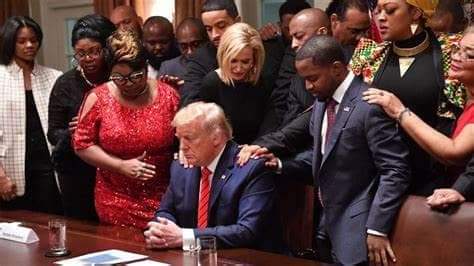
Even in a country that talks about democracy, it seems that they are trying to gain public opinion by talking about nationalism. Gandhi, Nelson Mandela, Mahendra emphasized on nationalism. Now it seems that people like Modi and Trump are being accused of doing politics under the guise of religion and caste. There are also examples of those who came to power by raising issues such as religion and caste. Even in Nepal, due to external influences, attempts are made to fulfill political interests in the name or under the guise of religion and caste. We do not need extreme nationalism or blind nationalism in the name of nationalism. Pioneering and integral Nepali nationalism suits us. Being a nationalist and being an opportunist are different things. Nationalist slogans alone will not fulfill the wishes of the Nepali people. Along with political change, there should be economic development and prosperity. You should be able to reassure the common people.
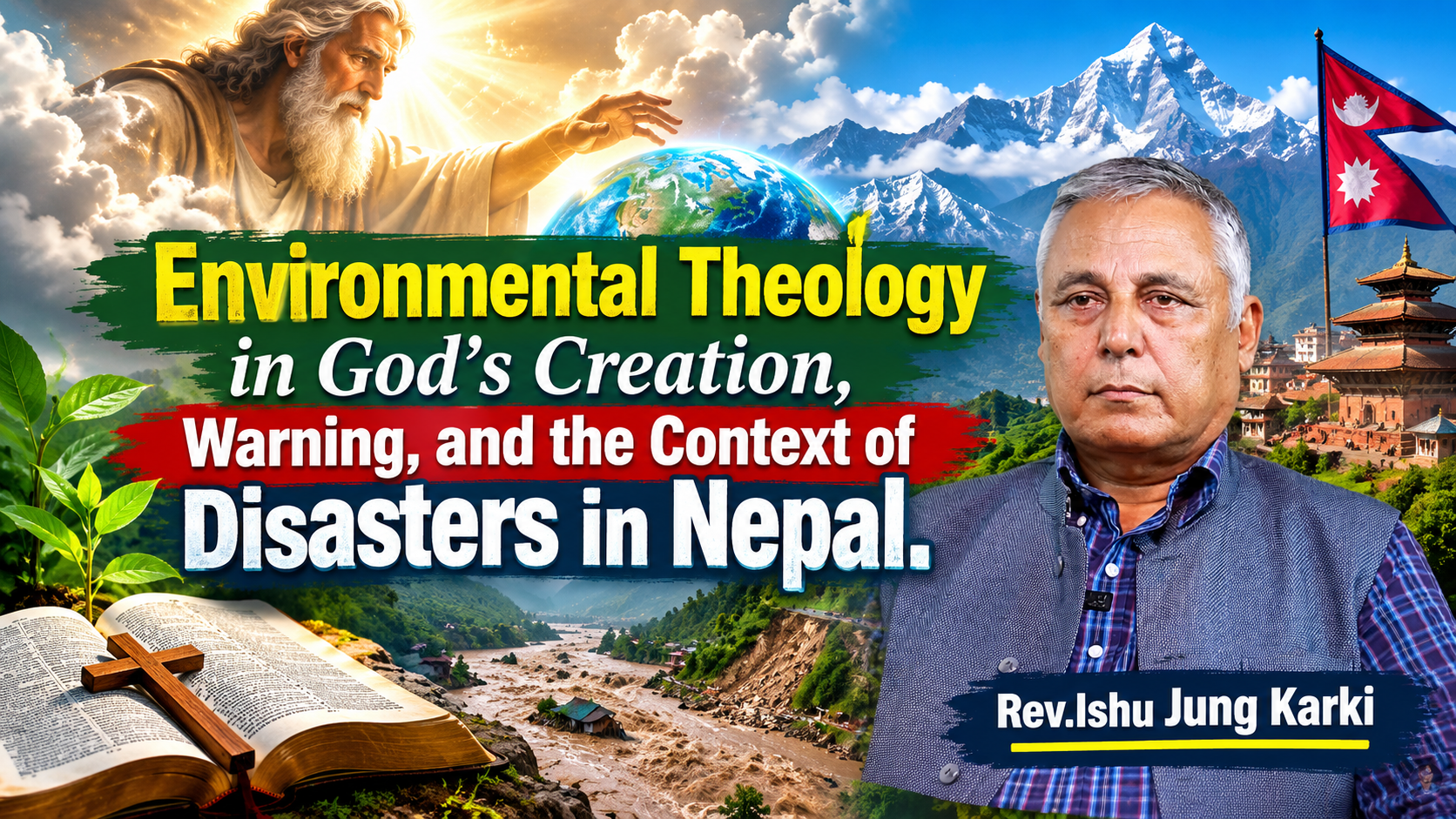
Isujung Karki, Central Member – General Conference Committee, Nepal Samajwadi Party

Dr. Isujung Karki
Pastor and Christian Leader Kathmandu, Nepal